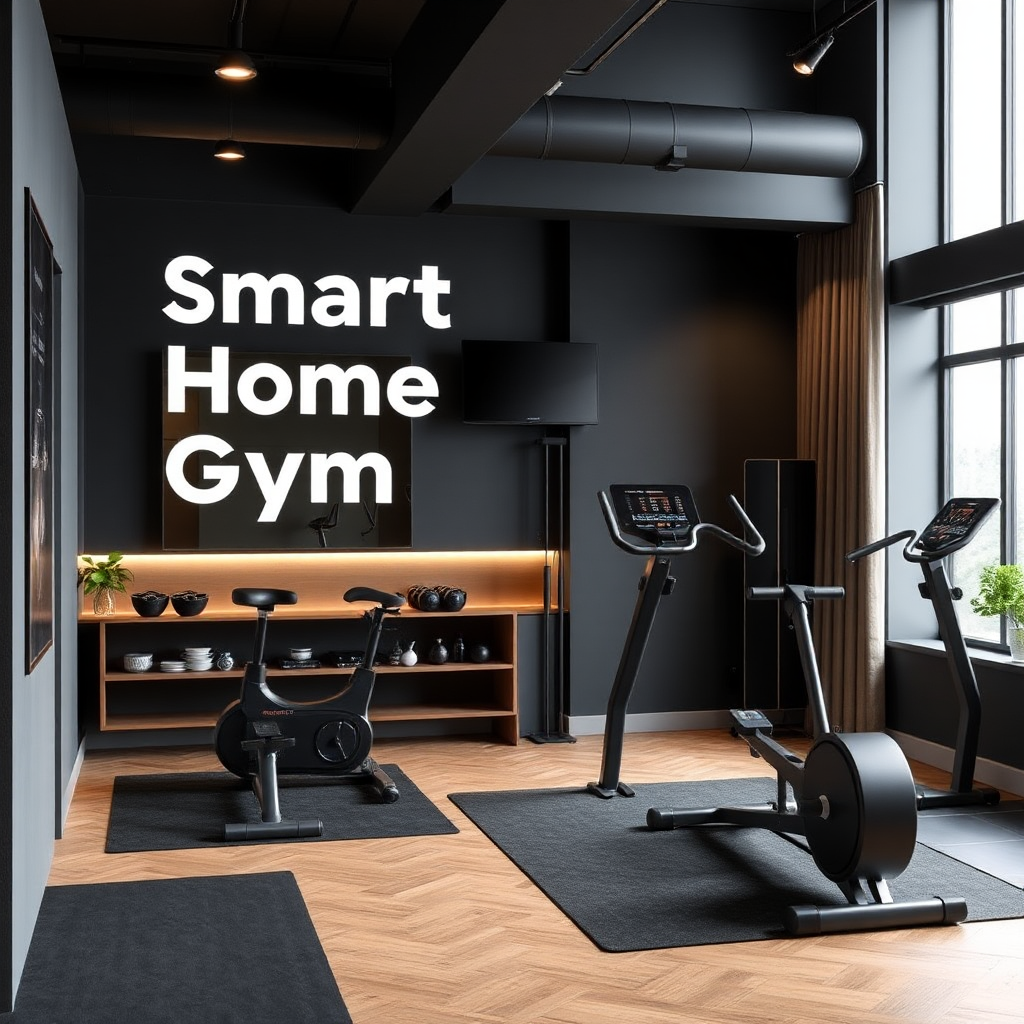
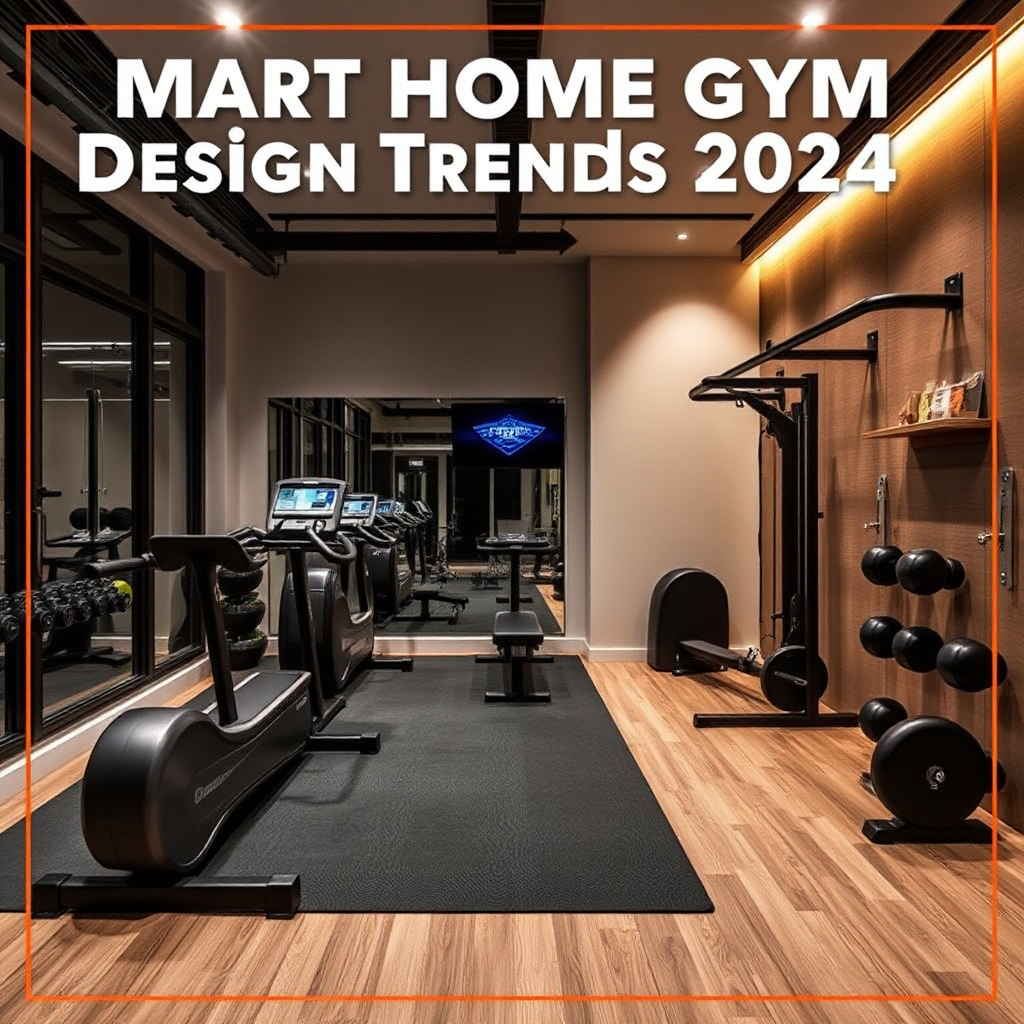
Smart Home Gym Design Trends 2024
The Evolution of Home Fitness Spaces
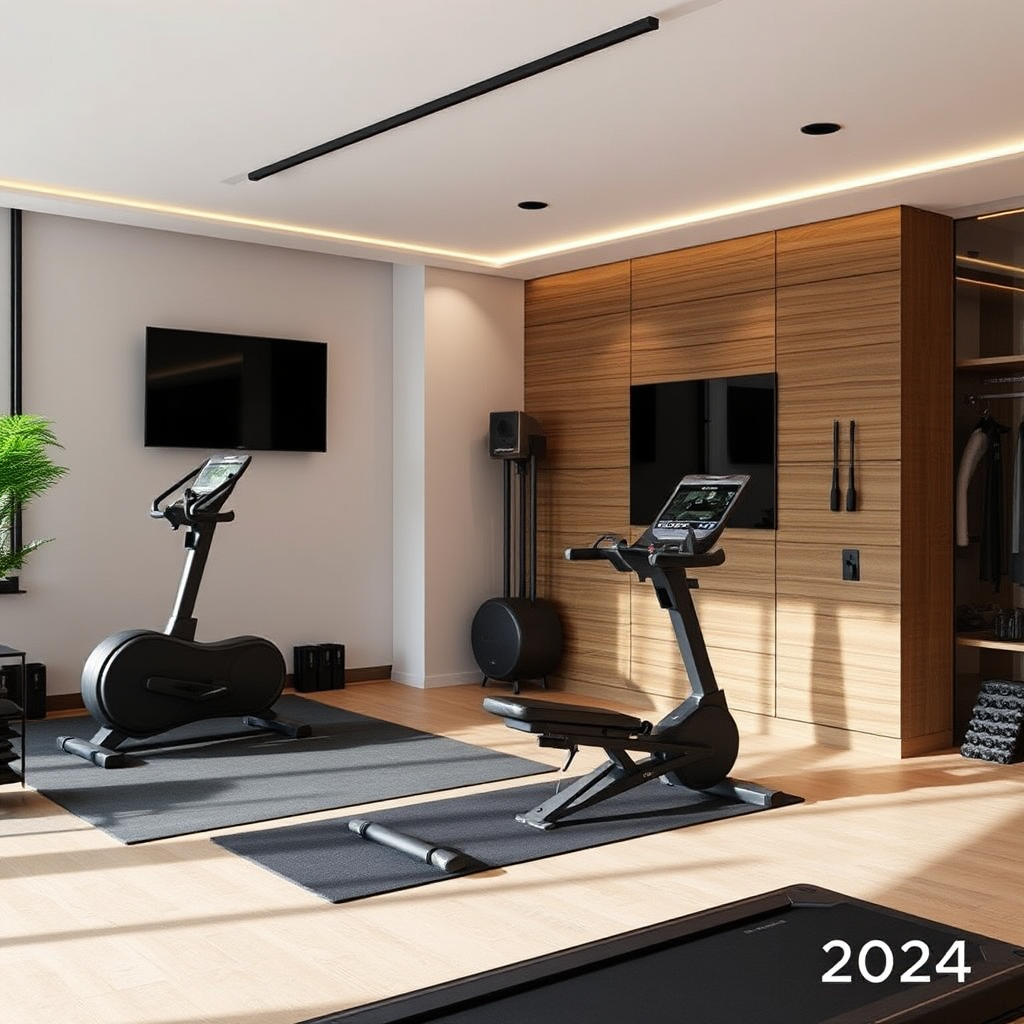
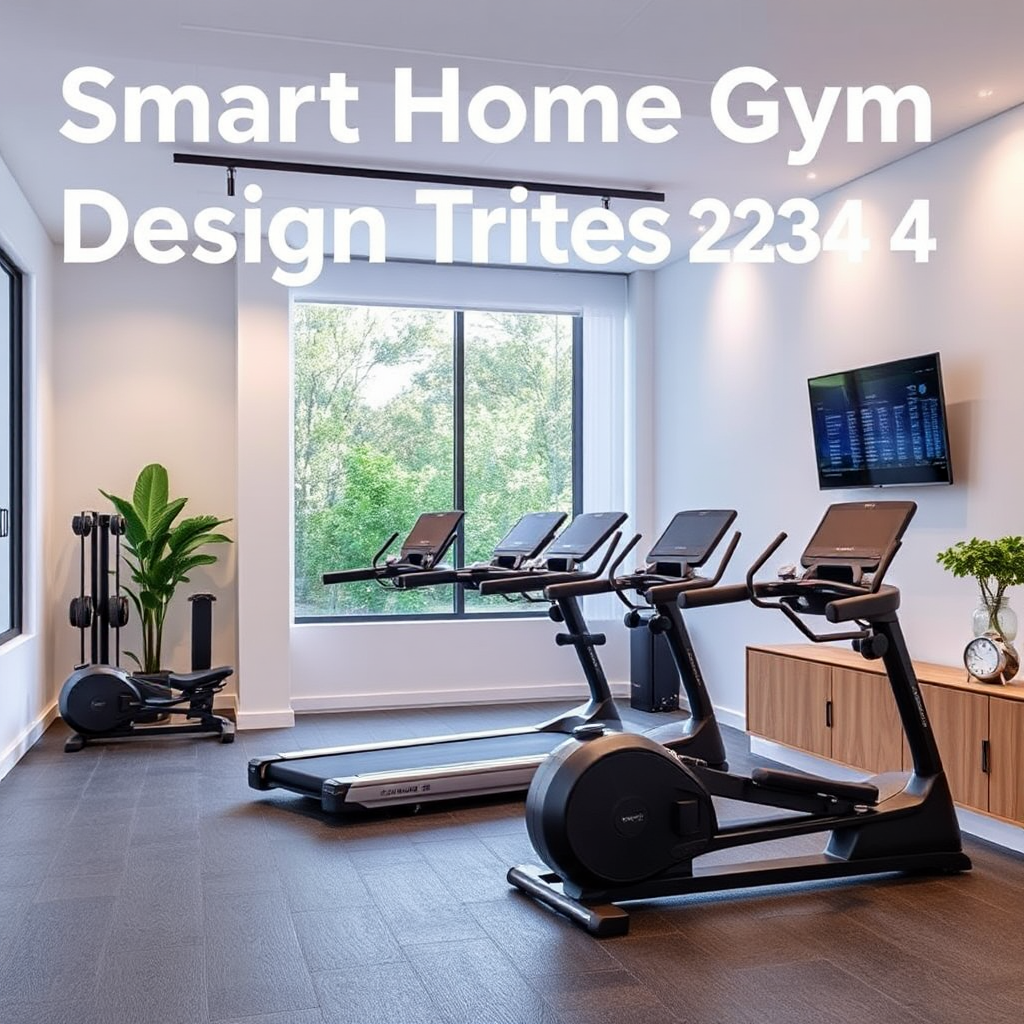
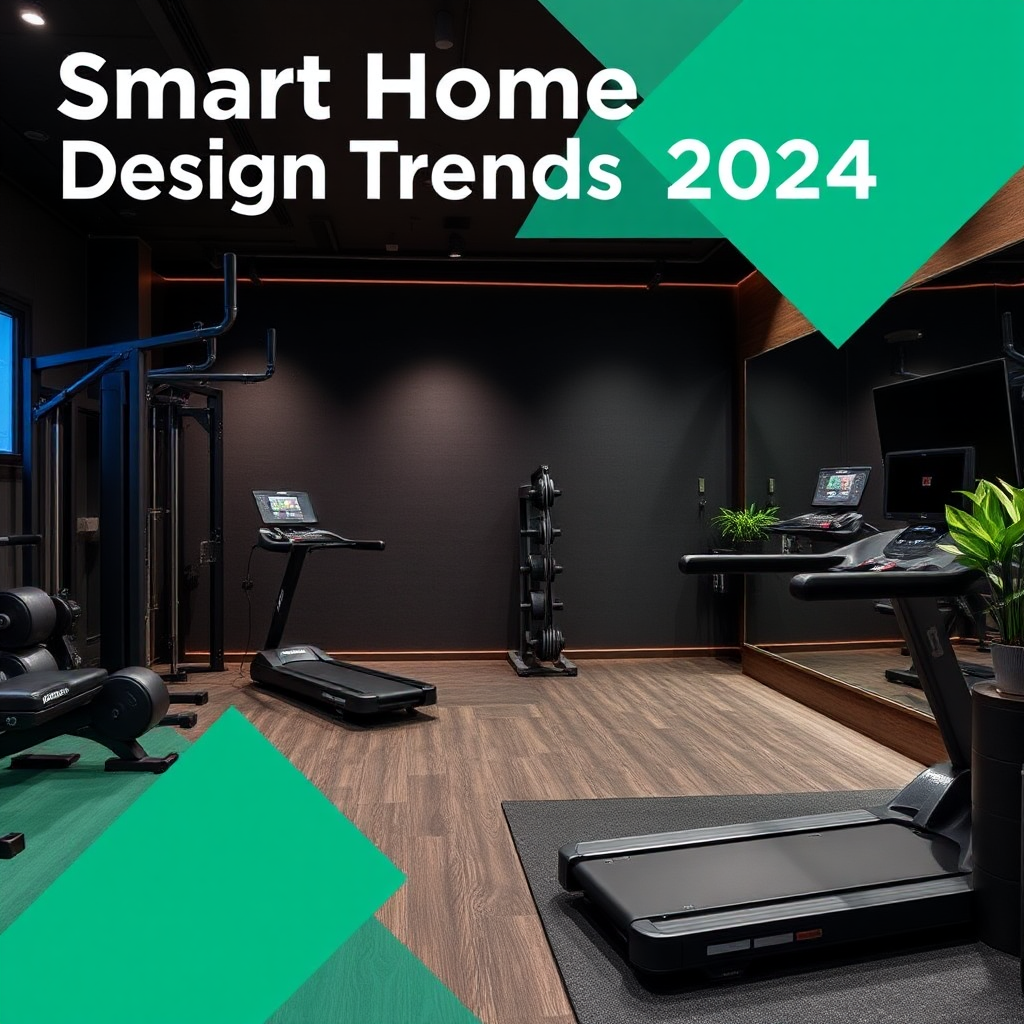
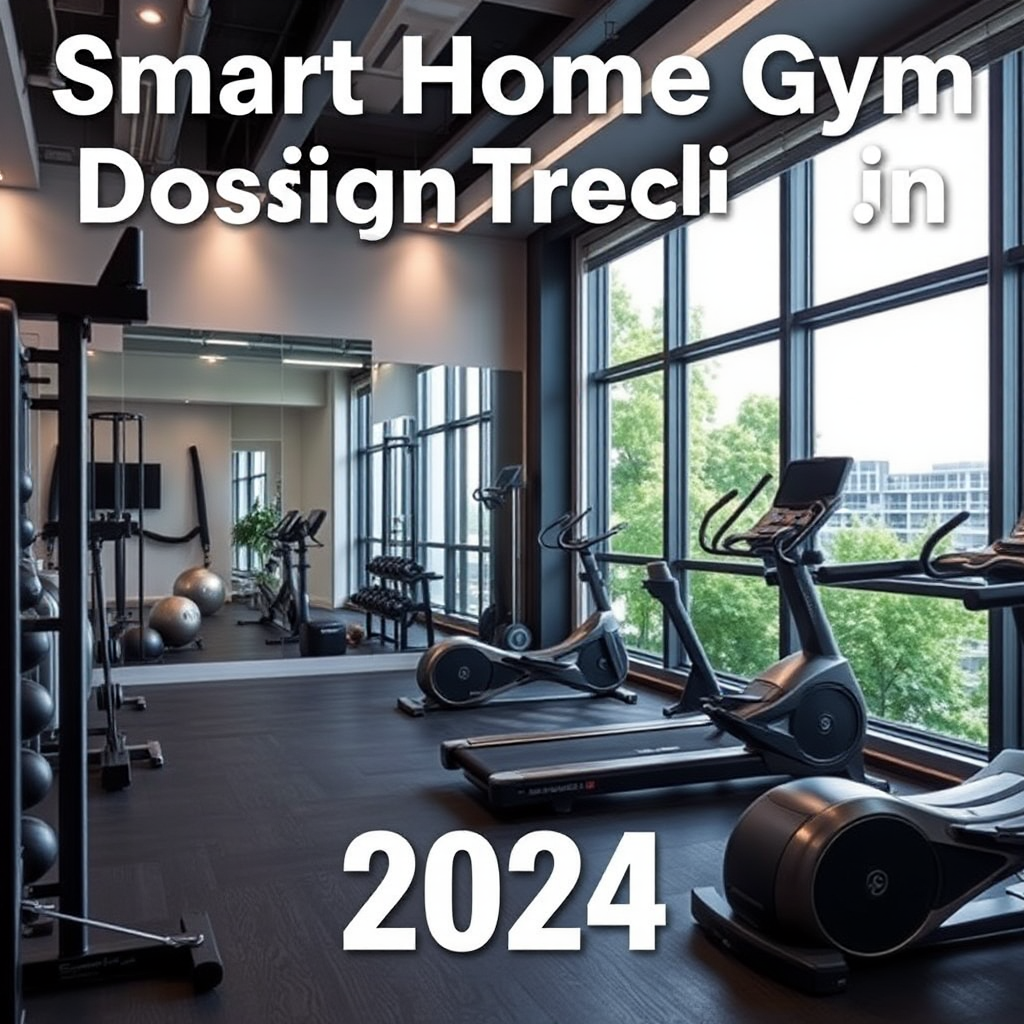
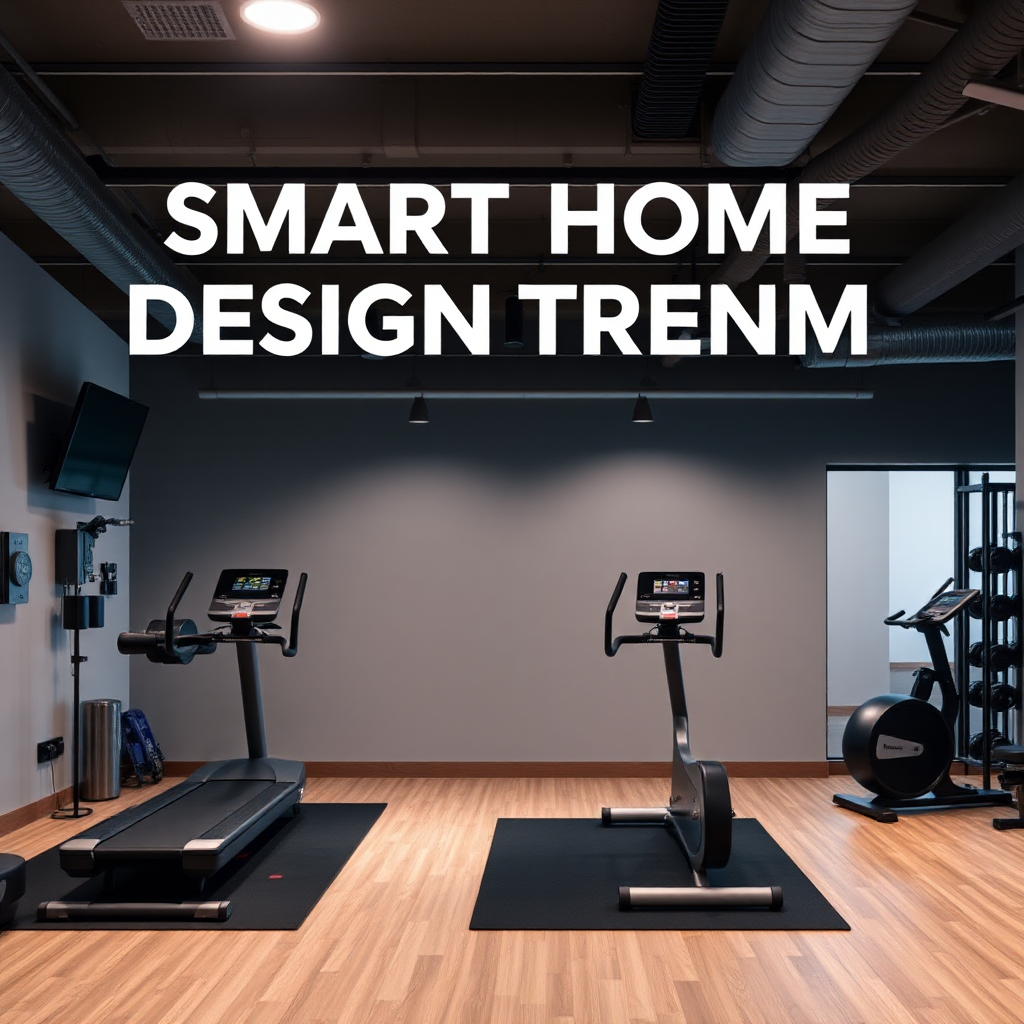
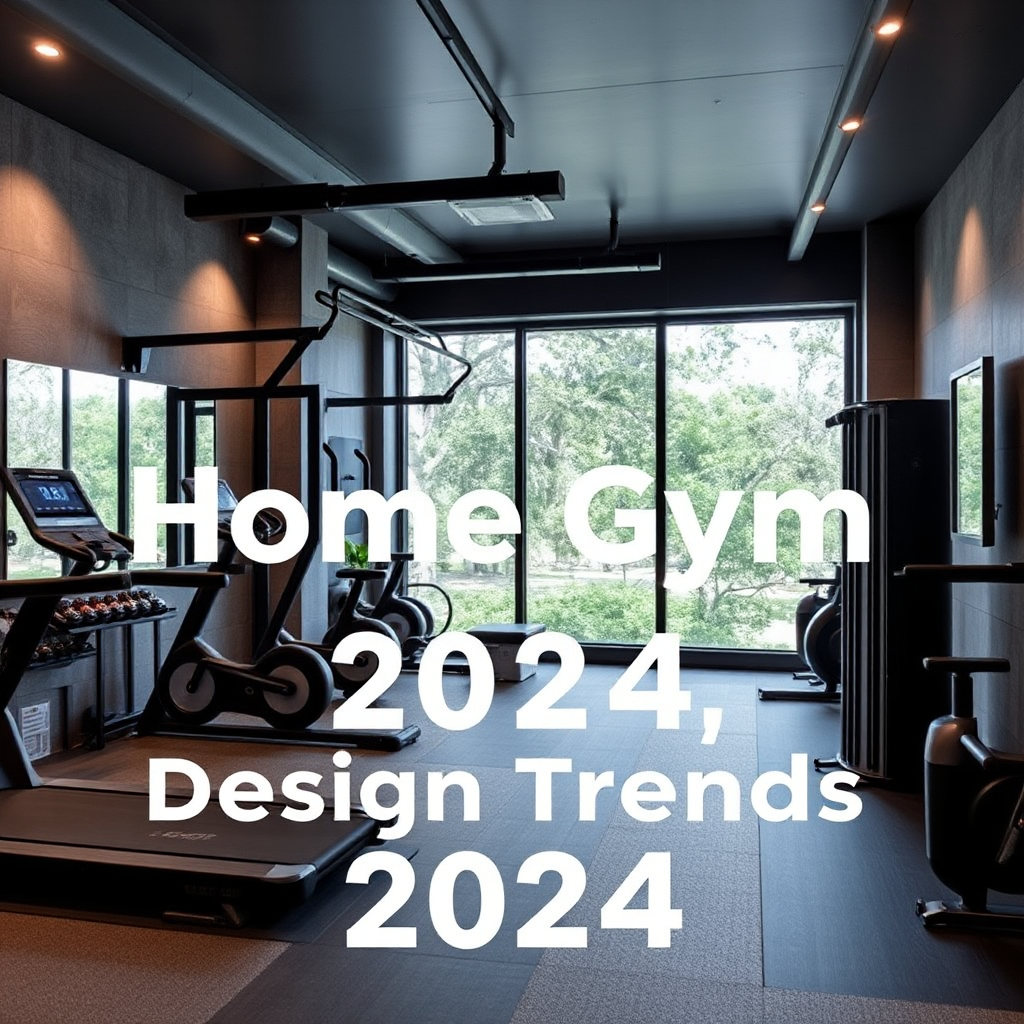
The global pandemic accelerated the home fitness revolution, and 2024 brings even more sophisticated solutions for creating optimal workout environments. Modern home gyms are no longer just about having basic equipment; they're about creating integrated fitness ecosystems that rival commercial facilities. Smart technology has become the cornerstone of this transformation, with connected equipment offering real-time feedback, personalized training programs, and seamless integration with other smart home devices.
AI-Powered Training Systems
Artificial intelligence has revolutionized how we approach personal fitness. Modern smart gym equipment incorporates advanced AI algorithms that analyze your movement patterns, track progress, and adjust workouts in real-time. These systems can detect improper form, suggest corrections, and prevent potential injuries. The technology learns from your performance data to create increasingly effective workout routines tailored to your specific goals, whether it's weight loss, muscle building, or endurance training.
Space Optimization Solutions
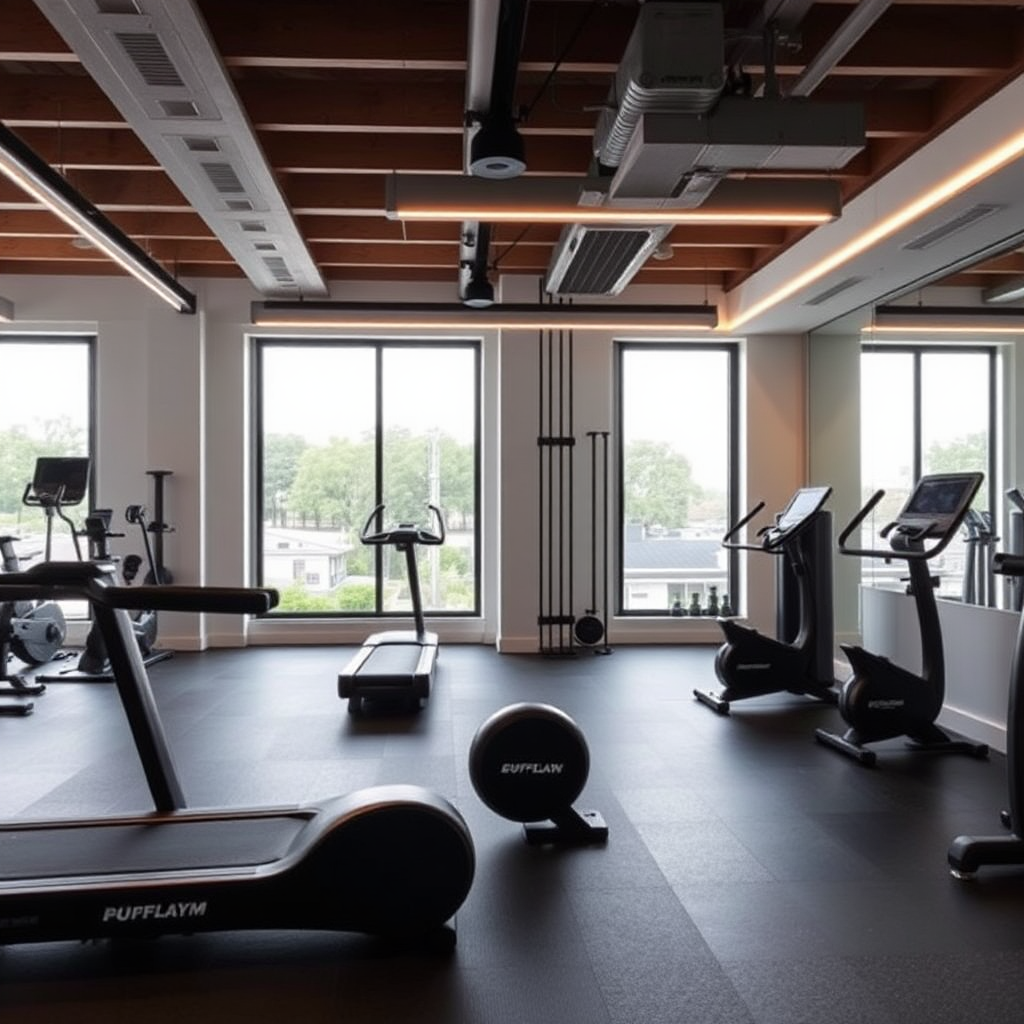
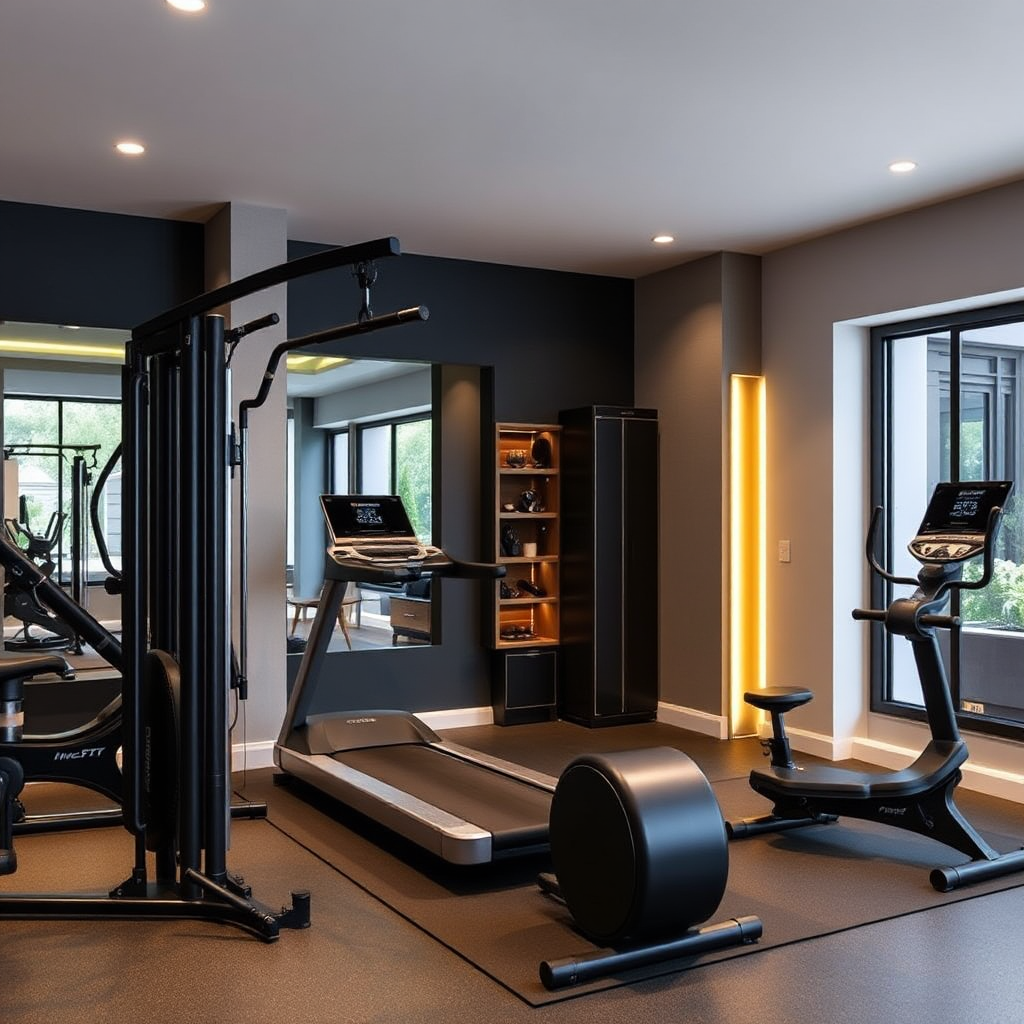
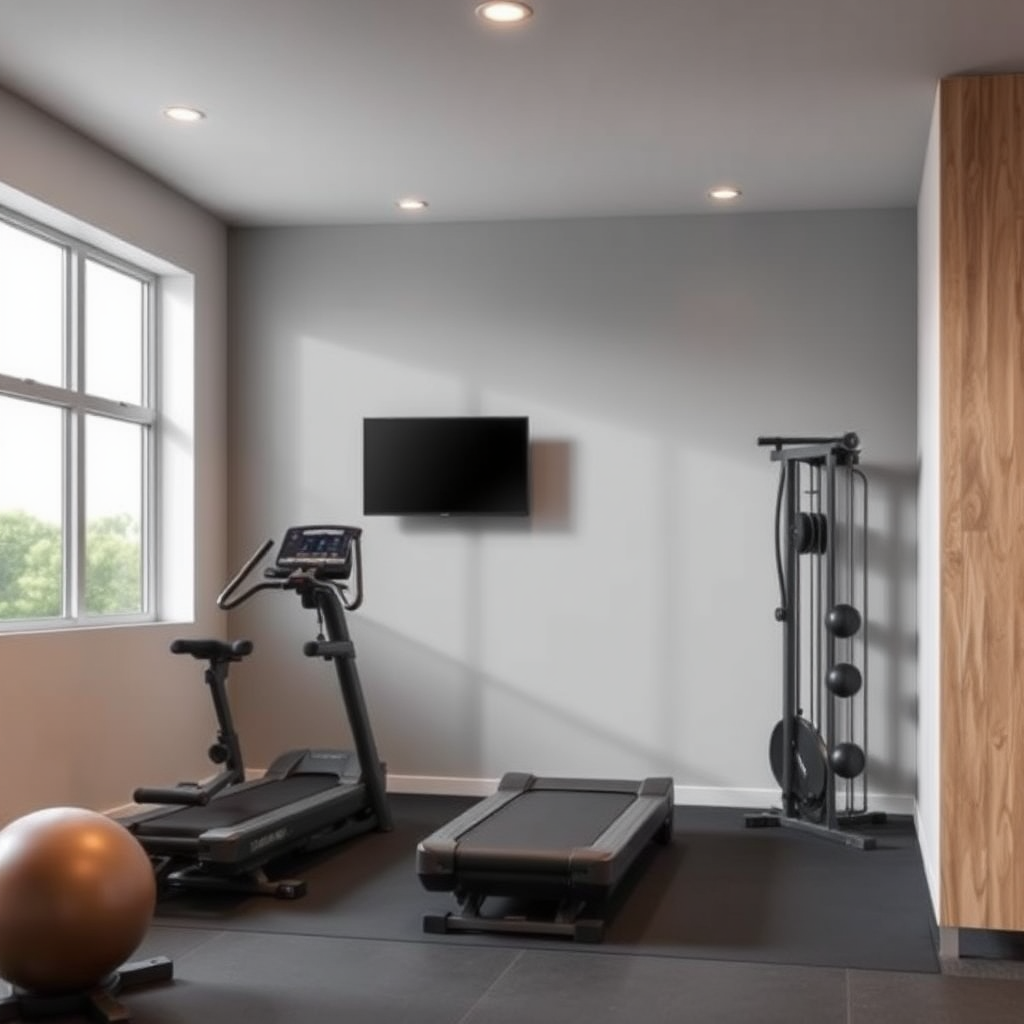
With urban living spaces becoming increasingly compact, innovative space-saving designs are crucial. Modern fitness equipment features foldable designs, multi-functional capabilities, and vertical storage solutions. Wall-mounted racks, convertible benches, and equipment that transforms from one type to another maximize limited spaces without compromising functionality. These designs consider both storage efficiency and quick deployment, making daily workouts more accessible and convenient.
Connected Ecosystem Integration
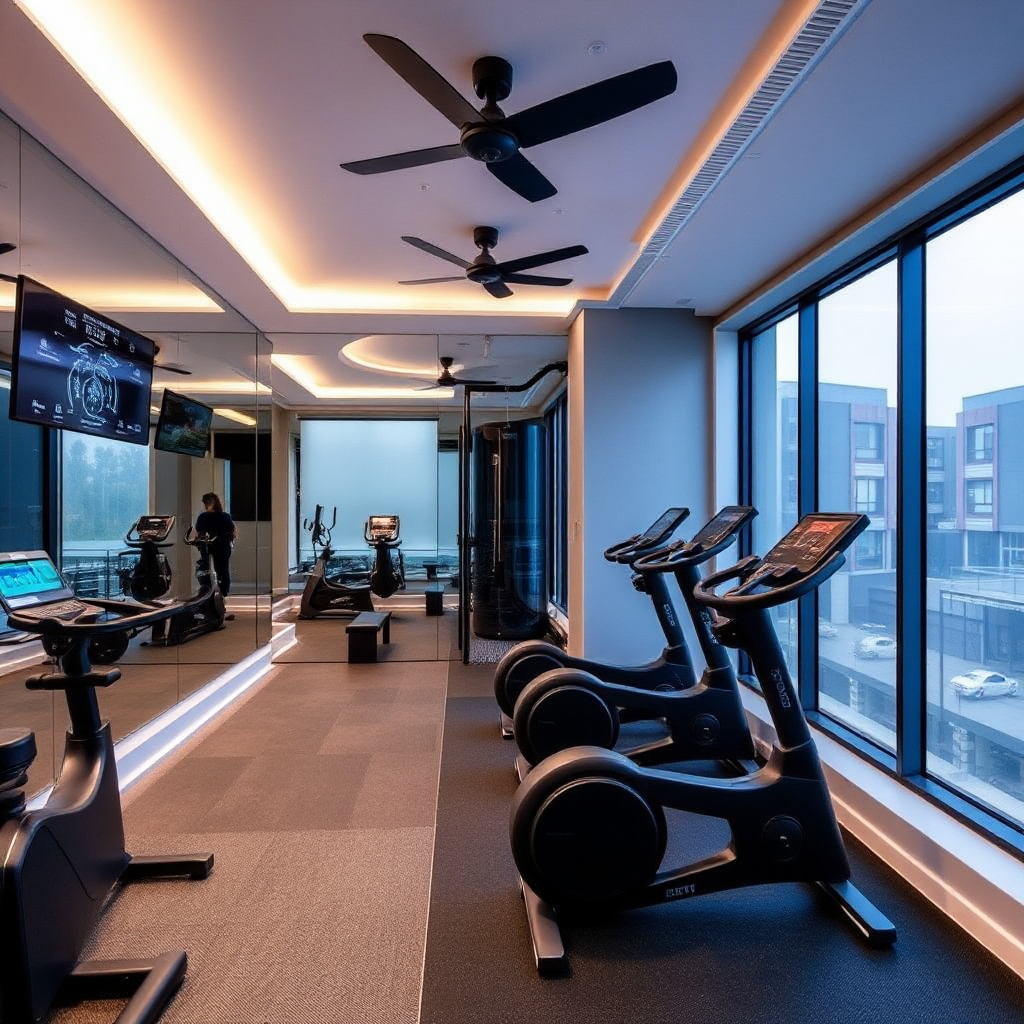
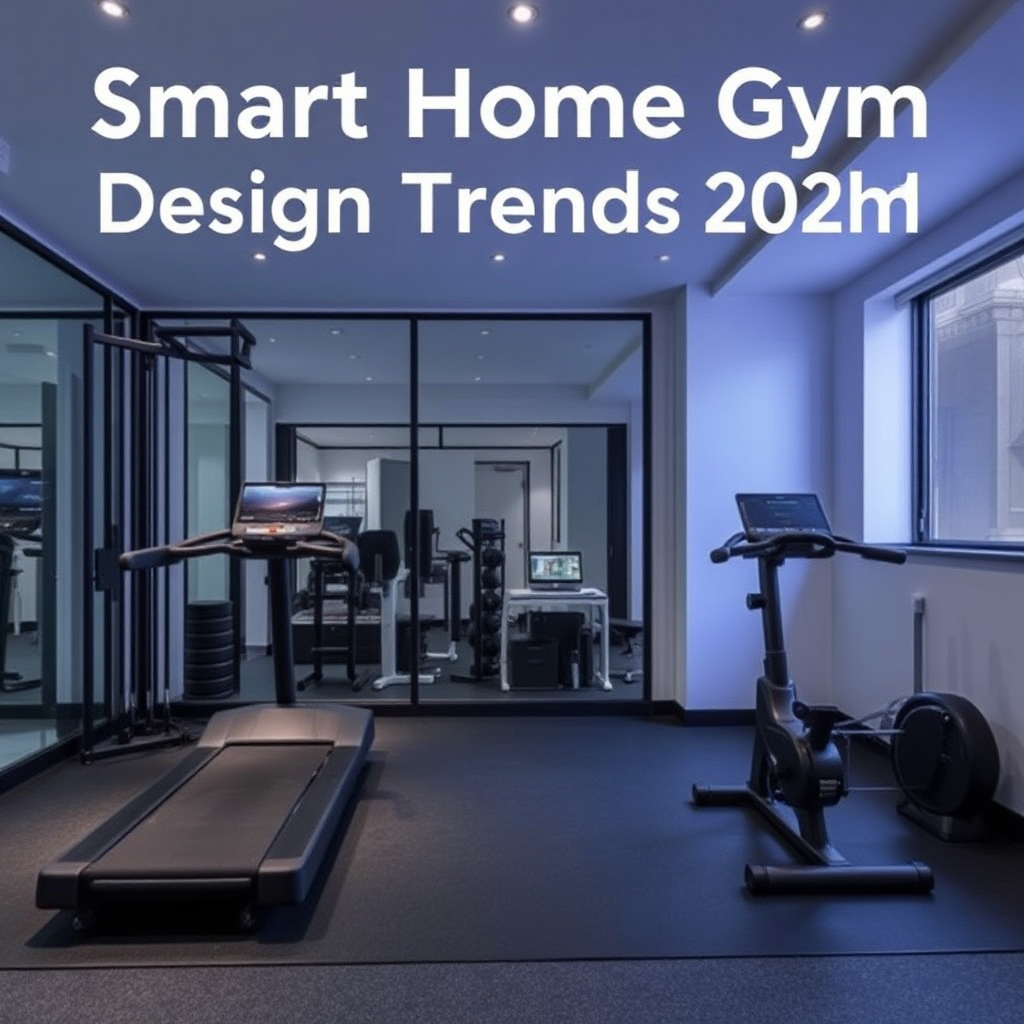
The true power of modern home gyms lies in their connectivity. Equipment now seamlessly integrates with smartphones, smartwatches, and home automation systems. This creates a comprehensive fitness ecosystem where your treadmill can communicate with your smart scale, your nutrition app can sync with your workout data, and your environment automatically adjusts lighting and temperature for optimal performance. This interconnected approach provides a holistic view of your health and fitness journey.
Sustainable Materials and Manufacturing
Environmental consciousness is shaping equipment design in 2024. Manufacturers are increasingly using recycled materials, sustainable production methods, and designing for longevity. Equipment is built with modular components that can be easily repaired or upgraded, reducing electronic waste. The focus has shifted from disposable fitness gear to durable, high-quality equipment that stands the test of time while minimizing environmental impact.
Virtual Reality and Immersive Training
Virtual reality technology is taking home workouts to new dimensions. Modern equipment integrates VR capabilities that transport users to virtual environments, from mountain trails to professional boxing rings. This immersive experience not only makes workouts more engaging but also provides varied terrain and resistance that challenges different muscle groups. The combination of physical exertion with mental stimulation creates a more comprehensive fitness experience.
Biometric Monitoring and Health Tracking
Advanced biometric sensors are now standard in premium home fitness equipment. These systems monitor heart rate variability, oxygen saturation, muscle activation, and other vital metrics. The data collected provides insights into recovery needs, optimal workout intensity, and overall health trends. This level of monitoring was previously only available in professional sports facilities but is now accessible for home users seeking professional-grade training insights.
Future Trends and Innovations
Looking ahead, the integration of haptic feedback, augmented reality overlays, and social connectivity features will continue to enhance the home fitness experience. Equipment will become more intuitive, anticipating user needs and preferences while creating increasingly personalized workout experiences. The boundary between physical equipment and digital platforms will continue to blur, creating seamless fitness ecosystems that adapt to individual lifestyles and goals.